Cooking with Extra Virgin Olive Oil: 7 Healthy Secrets Revealed!

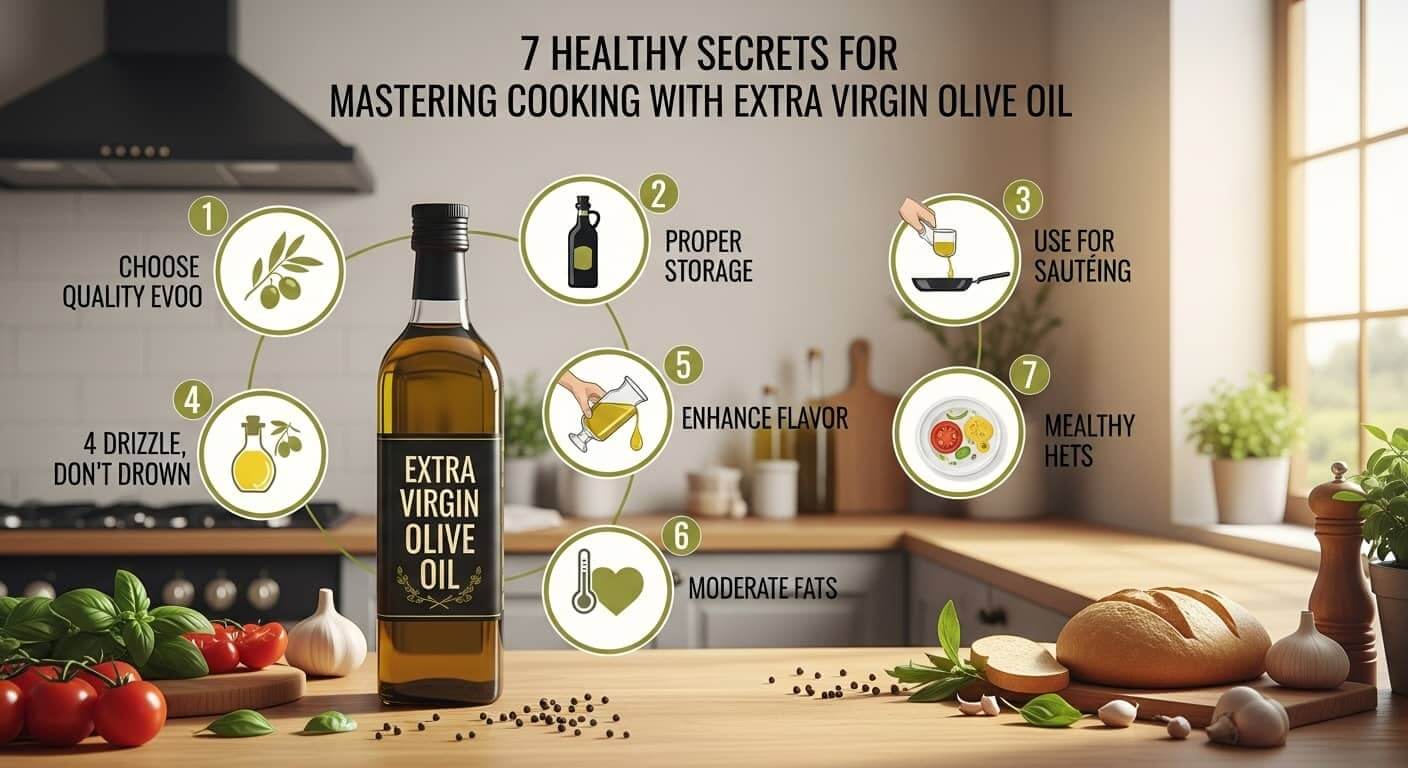
Healthy cooking with extra virgin olive oil (EVOO) is the cornerstone of the Mediterranean diet and the simplest way to infuse everyday meals with immense flavor and powerful health benefits. For too long, consumers have been misled by myths suggesting high-quality EVOO is only suitable for cold applications. In reality, cooking with extra virgin olive oil—especially a premium, low-acidity brand like Olea Kotti—is not only safe but highly recommended due to its exceptional stability under heat.
The secret lies in the quality and the polyphenol content. High-quality EVOO, rich in antioxidants, resists thermal degradation better than most vegetable oils. This guide demystifies the science, debunks the myths, and provides 7 Healthy Secrets and olive oil tips to help you master cooking with extra virgin olive oil, maximizing both taste and therapeutic value.
Table of Contents
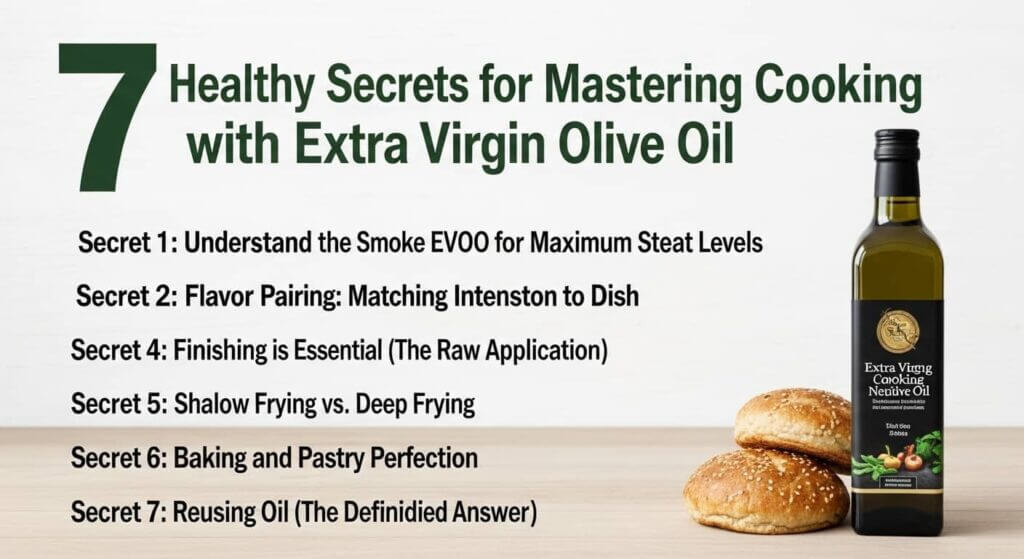
1. Debunking the Myth: Why You CAN Cook with EVOO
The belief that cooking with extra virgin olive oil is detrimental because of a “low smoke point” is one of the biggest misconceptions in modern cooking. This myth has caused many home chefs to sacrifice flavor and health by opting for refined, less stable oils.
Smoke Point vs. Oxidative Stability
The smoke point is simply the temperature at which an oil begins to produce smoke. While refined oils (like canola or soybean) often have a higher smoke point, this is misleading. Their high smoke point is achieved by refining away their natural antioxidants and phospholipids, making them chemically less stable when heated over time.
Oxidative Stability is the real measure of an oil’s performance under heat. High-quality extra virgin olive oil is rich in monounsaturated fats and, critically, polyphenols. These antioxidants act as a natural defense system, protecting the oil from breaking down into harmful compounds, even when used for regular sautéing or shallow frying. Studies confirm that EVOO resists oxidative damage far better than highly refined oils. [Source: Journal of Agricultural and Food Chemistry on EVOO Thermal Stability] (External DoFollow Link)
2. The Science of Cooking with Extra Virgin Olive Oil
Understanding the chemical composition of premium EVOO shows why cooking with extra virgin olive oil is scientifically sound and Healthy.
The Polyphenol Protector: Heat Stability
The primary reason to use a high polyphenol EVOO like Olea Kotti for cooking is the presence of its antioxidants. When heat is applied, the polyphenols sacrifice themselves to neutralize free radicals, protecting the oil’s fatty acid structure from damage. A high polyphenol count (ideally over 400 mg/kg) ensures that this protection lasts longer. Without this antioxidant shield, refined oils quickly degrade into toxic compounds.
Monounsaturated Fats: The Health Anchor
The main component of EVOO is Oleic Acid, a monounsaturated fatty acid (MUFA). MUFAs are highly stable compared to the polyunsaturated fats found in many seed oils (like sunflower or corn oil). Oils high in polyunsaturated fats break down rapidly when heated, forming harmful polymers. The dominance of stable MUFAs makes cooking with extra virgin olive oil a reliable Healthy choice.
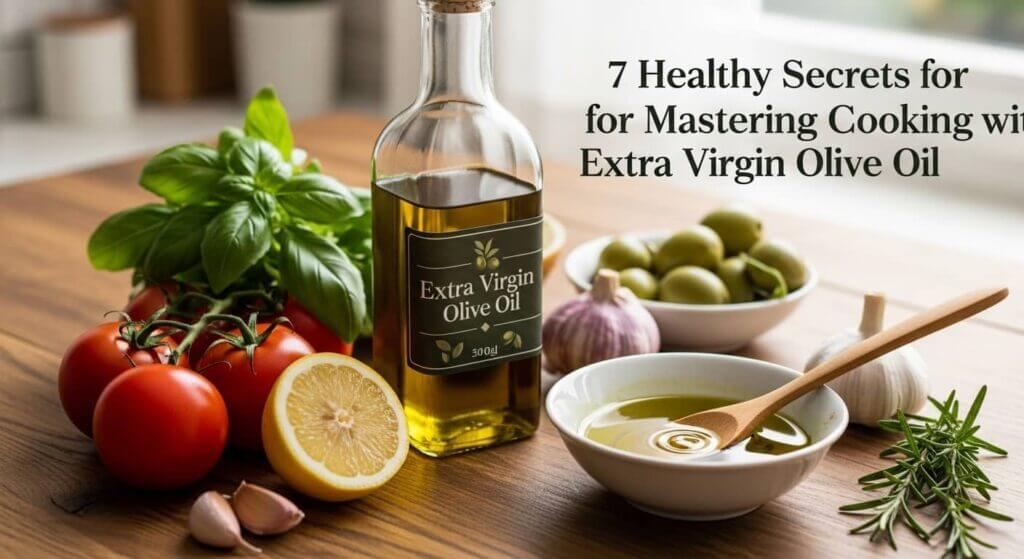
3. 7 Healthy Secrets for Mastering Cooking with Extra Virgin Olive Oil
Applying these olive oil tips will ensure you extract maximum flavor and health benefits from every drop of your EVOO.
Secret 1: Understand the Smoke Point and Heat Levels
The smoke point of quality EVOO is typically between 190°C to 215°C (375°F to 420°F). This temperature range is perfectly suitable for:
- Sautéing (120°C).
- Stir-frying (160°C).
- Shallow Frying (up to 180°C).
Avoid prolonged deep frying at the highest settings (over 220°C), as this is the only application that may challenge the oil’s stability.
Secret 2: Use Quality EVOO for Maximum Stability
The less processed the oil, the better it performs under heat. Always choose a premium, low-acidity EVOO. Acidity measures degradation; Olea Kotti’s ultra-low acidity of 0.16% confirms minimal damage and maximum freshness, which translates directly to greater thermal stability when cooking with extra virgin olive oil.
Secret 3: Flavor Pairing: Matching Intensity to Dish
Different EVOOs have different flavor profiles.
- Robust/Peppery EVOO: Ideal for bold flavors, like grilling steaks, roasting root vegetables, or enhancing tomato sauces. The bitterness balances rich ingredients.
- Mild/Fruity EVOO: Best for gentle applications, such as baking, preparing sauces (like hollandaise or mayonnaise), or drizzling over delicate fish and pasta.
Secret 4: Finishing is Essential (The Raw Application)
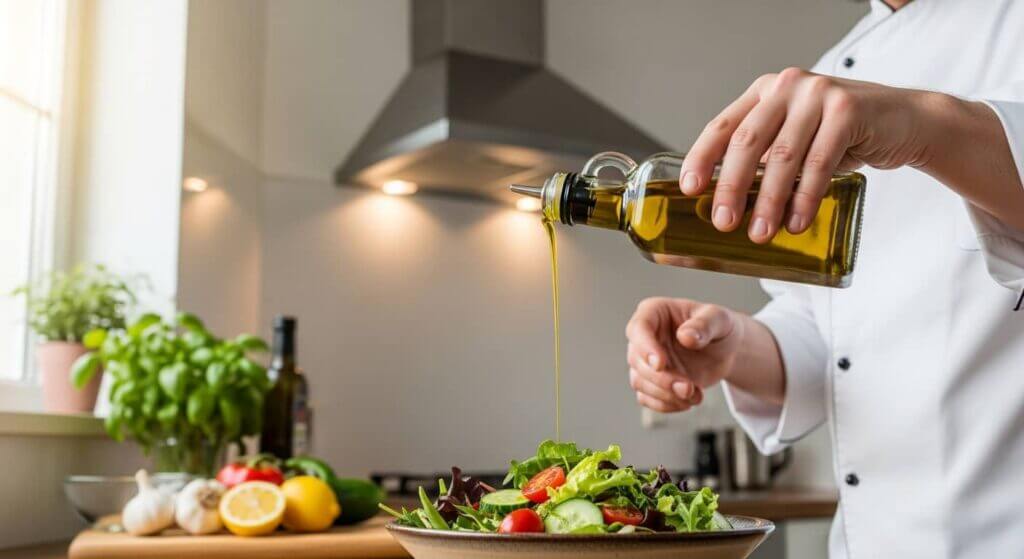
Even if you use EVOO for cooking, reserve a small amount for the final garnish. Drizzling raw EVOO over a finished dish (like soup, pizza, or grilled fish) right before serving is crucial. This step preserves 100% of the volatile, flavor-rich compounds and heat-sensitive polyphenols, ensuring you get the maximum Ultra-Premium therapeutic benefit.
Secret 5: Shallow Frying vs. Deep Frying
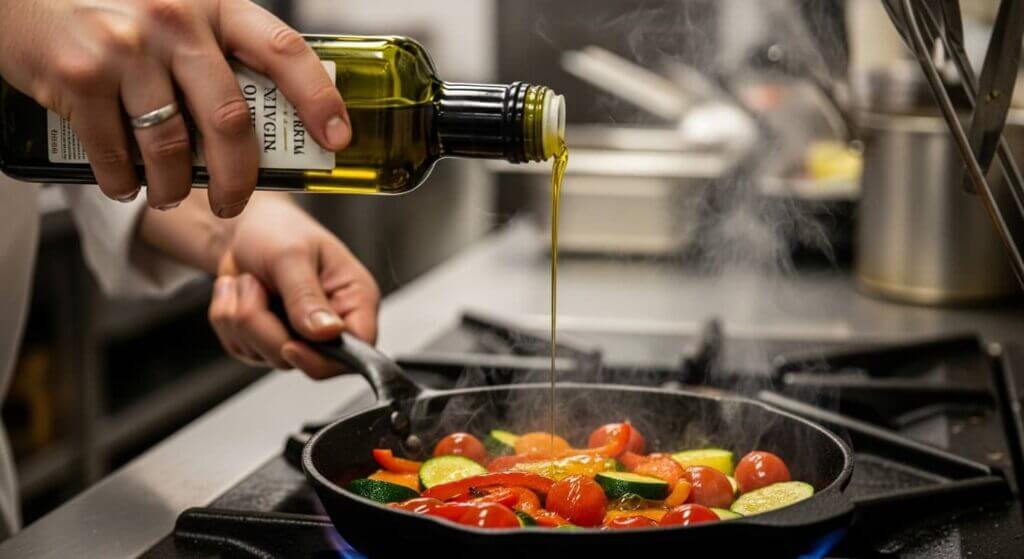
- Shallow Frying (Highly Recommended): Cooking with extra virgin olive oil for shallow frying (e.g., pan-frying chicken or fish) is an excellent, Healthy method. The EVOO creates a crisp crust and resists degradation due to its stability.
- Deep Frying (Use Sparingly): While stable, EVOO is expensive. Reserve deep frying for oils specifically designed for high turnover. If you do deep fry with EVOO, ensure the temperature stays below 180°C and do not reuse the oil.
Secret 6: Baking and Pastry Perfection
Substitute butter or other fats with extra virgin olive oil in baking recipes (muffins, bread, cakes) for a moister texture and a lighter, healthier fat profile. As a general olive oil tip, substitute ¾ of the amount of butter required with EVOO (e.g., for 1 cup of butter, use ¾ cup of EVOO). This simple change significantly boosts the nutritional profile of your baked goods.
Secret 7: Reusing Oil (The Definitive Answer)
Do not reuse extra virgin olive oil that has been heated to high temperatures (e.g., deep frying or aggressive shallow frying). Once the oil reaches its smoke point, its protective polyphenols are severely depleted, and its stability is compromised. For small-batch, gentle sautéing, the oil can sometimes be reused immediately, but as a rule, using fresh EVOO is the safest and Healthy choice.
4. Advanced Olive Oil Tips: Maximizing Flavor and Health
These olive oil tips are designed to help you integrate cooking with extra virgin olive oil into diverse Malaysian and international cuisine with confidence.
Infusing Techniques: Herbs and Spices
To add complexity to your dishes, create oil infusions before cooking. Gently warm the EVOO (do not boil) with herbs like rosemary, thyme, or chili flakes. Allow it to cool, then strain. This technique enhances the flavor of the oil without compromising its chemical integrity. This infused oil is excellent for cooking with extra virgin olive oil in subtle dishes or for finishing.
Measuring Quality: Acidity and Freshness
For consumers in Malaysia, always demand transparency. The best olive oil tips focus on data:
- Polyphenol Count: Aim for above 400 mg/kg.
- Acidity (FFA): Demand below 0.2%.
- Harvest Date: Ensure it is from the current season.
These three metrics guarantee the freshness and antioxidant potency required for safe, Healthy cooking with extra virgin olive oil.
5. Why Cooking with Extra Virgin Olive Oil is Better Than Seed Oils
The choice between EVOO and common seed oils (like corn, soybean, or sunflower) goes beyond flavor—it is a critical public health decision.
Trans-Fat Avoidance and Chemical Processing
Seed oils are typically high in unstable polyunsaturated fats and require extensive chemical processing (refining, bleaching, deodorizing) to become shelf-stable. This process often generates harmful trans fats and completely strips the oils of any natural nutrients. By contrast, cooking with extra virgin olive oil uses an unrefined, cold-pressed process. You are using a fruit juice that retains its natural vitamins, antioxidants, and a Healthy fat profile. [Source: American Heart Association Guidelines on Healthy Fats] (External DoFollow Link)
Reducing Omega-6 Load
The Western diet is often overloaded with Omega-6 fatty acids (found abundantly in seed oils), leading to an imbalanced Omega-6 to Omega-3 ratio, which is linked to inflammation. EVOO, with its high Omega-9 (Oleic Acid) content, helps correct this imbalance, making it the superior Healthy fat for regular use.
6. Facts & Insights: The Scientific Advantages of Cooking with Extra Virgin Olive Oil
The decision to choose cooking with extra virgin olive oil is supported by compelling chemical and nutritional facts that reinforce its status as the healthiest kitchen fat. These insights move beyond simple smoke point debates and focus on long-term health outcomes .
EVOO Fortifies Food with Antioxidants
A remarkable finding in nutritional science is that cooking with extra virgin olive oil doesn’t just protect the oil itself; it actually transfers antioxidants to the food being cooked. Studies on vegetables cooked in EVOO (such as tomatoes, eggplant, and potatoes) show that the vegetables absorb the polyphenols from the oil, significantly increasing their overall antioxidant content. This process, known as bio-accessibility, means your food becomes exponentially Healthier just by using a premium extra virgin olive oil. This is a critical olive oil tip for maximizing the nutrient intake of any meal. [Source: Food Chemistry Journal on EVOO Antioxidant Transfer] (External DoFollow Link)
The Myth of HNE Toxin Formation
One of the major arguments against using refined oils is their tendency to break down into toxic compounds, notably 4-hydroxy-2-nonenal (HNE), when subjected to heat. HNE is linked to various health issues, including neurodegenerative diseases. Research emphatically shows that high-quality extra virgin olive oil, due to its high Oleic Acid and polyphenol content, produces significantly lower and often negligible amounts of HNE compared to common seed oils (which are rich in unstable polyunsaturated fats). This chemical fact confirms that cooking with extra virgin olive oil is the safer, Healthy option for daily use.
Enhancing Vitamin Absorption (Fat-Soluble Vitamins)
Cooking with extra virgin olive oil plays an Essential role in nutrient absorption. Many crucial vitamins—A, D, E, and K—are fat-soluble, meaning they require a healthy fat source to be absorbed by the body. Using extra virgin olive oil in your cooking (like drizzling it on a salad or roasting vegetables) ensures that these vital vitamins are properly assimilated, boosting the nutritional return of your entire meal. The high concentration of Vitamin E naturally present in EVOO further contributes to this Healthy profile.
Polyphenols Preserve Flavor and Freshness
Beyond health, the antioxidants in EVOO act as natural flavor protectors. By neutralizing free radicals, they prevent the oxidation that leads to “off-flavors” or rancidity. This means dishes prepared through cooking with extra virgin olive oil retain a cleaner, fresher taste profile for longer, compared to those cooked in less stable, refined fats. This preservation quality is an Ultra-Premium benefit for both culinary arts and food quality.
7. FAQs on Cooking with Extra Virgin Olive Oil
This section addresses additional common questions, ensuring consumers have all the olive oil tips needed for confident, Healthy cooking with extra virgin olive oil.
Q1: What is the optimal temperature for shallow frying with EVOO to maintain health benefits?
A: The optimal temperature for shallow frying with extra virgin olive oil is generally 160°C to 180°C (320°F to 356°F). This range is high enough to achieve a crisp texture but low enough to protect the majority of the oil’s beneficial polyphenols and prevent the formation of harmful compounds. Always aim for lower heat settings when cooking with extra virgin olive oil.
Q2: Should I use a cheaper “Pure Olive Oil” for cooking and save my EVOO for finishing?
A: No. This is a common but outdated olive oil tip. “Pure Olive Oil” (or “Light”) is refined and lacks the polyphenols that give EVOO its heat stability. Using a premium, high-polyphenol EVOO (like Olea Kotti) is Essential for both cooking and finishing, as the polyphenols provide the necessary protection when heated. Reserve the most robust EVOO for finishing and the milder EVOO for cooking.
Q3: Does the packaging material affect the oil’s stability during storage for cooking?
A: Absolutely. Light is a major enemy. For long-term storage and to maintain the oil’s stability for cooking with extra virgin olive oil, the packaging must be dark. Opaque tins or dark green/black glass are superior to clear glass, especially in warm climates. Proper packaging protects the polyphenols which, in turn, protect the oil during heating.
Q4: Is it safe to use EVOO in high-temperature applications like stir-frying in a wok?
A: Yes, provided you keep the heat moderate. Traditional high-heat wok cooking can exceed 220°C, challenging any oil. For Healthy cooking with extra virgin olive oil in a wok, use medium-high heat, add the ingredients quickly, and ensure the oil doesn’t smoke continuously. The stability of a high-quality EVOO makes it a superior choice to highly processed seed oils even in this application.
Q5: Can I mix EVOO with another oil (like butter or coconut oil) for cooking?
A: Yes, mixing extra virgin olive oil with butter or coconut oil is a great olive oil tip. The stable MUFAs and antioxidants in the EVOO will often increase the overall stability and improve the Healthy fat profile of the combined blend, making it a safer and more flavorful cooking fat.
8. Conclusion: Elevate Your Health and Cuisine
Mastering cooking with extra virgin olive oil is the ultimate step toward a Healthy lifestyle that doesn’t compromise on flavor. By discarding outdated myths about the smoke point and focusing on the oil’s true strength—its superior oxidative stability, high polyphenol count, and low acidity—you can confidently use EVOO for everything from subtle baking to robust shallow frying.
Final Summary: The Ultimate Healthy Cooking Companion
The modern kitchen demands a cooking fat that balances exceptional flavor with scientifically proven health benefits. Extra virgin olive oil is that fat, particularly when sourced as a premium, high-polyphenol product. This guide has established that the core principle is not the smoke point, but the oxidative stability provided by the oil’s rich endowment of polyphenols and stable monounsaturated fats. This makes cooking with extra virgin olive oil safe, effective, and superior to unstable, chemically processed seed oils.
The 7 Healthy Secrets detailed here—from understanding appropriate heat levels to the Essential practice of finishing dishes raw—ensure you capture the maximum therapeutic and flavor returns. Furthermore, clinical studies show that extra virgin olive oil enhances the nutritional value of the food it touches by transferring its potent antioxidants.
To fully benefit, always apply the key olive oil tips: demand ultra-low acidity (like Olea Kotti’s 0.16%), look for high polyphenol counts, and prioritize protective packaging. By making cooking with extra virgin olive oil your primary fat source, you are making a daily, conscious choice to reduce oxidative stress, improve nutrient absorption, and infuse your life with the taste and vitality of the Mediterranean Diet. Elevate your cooking, protect your health, and savor the superior quality of a true Ultra-Premium EVOO.
North American Olive Oil Association
Concerned About Ultra-Processed Foods? Choose Extra Virgin Olive Oil
LDL Oxidation: How Olive Oil Polyphenols Work
Oxidized low-density lipoproteins and their contribution to atherosclerosis
Polyphenol Rich Extra Virgin Olive Oil – Morocco Gold
National Institutes of Health (.gov)
Potential Health Benefits of Olive Oil and Plant Polyphenols – PMC – NIH
National Institutes of Health (.gov)
Does Olive Oil Go Bad Or Expire? | OliveOil.com
National Institutes of Health (.gov)
Olive Oil Consumption and Cardiovascular Risk in U.S. Adults – PMC – PubMed Central
11 Proven Benefits of Olive Oil – Healthline
The benefits of adding a drizzle of olive oil to your diet – American Heart Association
National Institutes of Health (.gov)
Olive oil intake and risk of cardiovascular disease and mortality in the PREDIMED Study